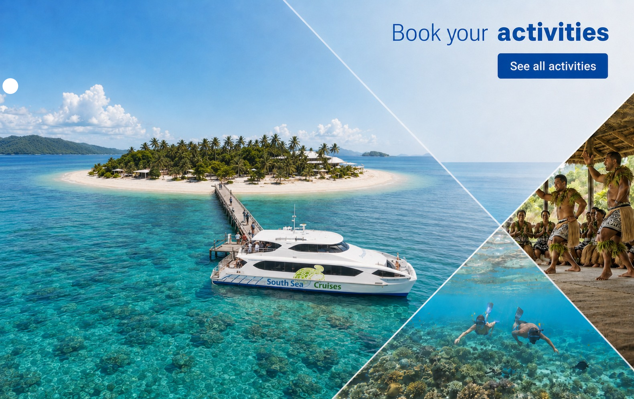
Fiji Travel Guide
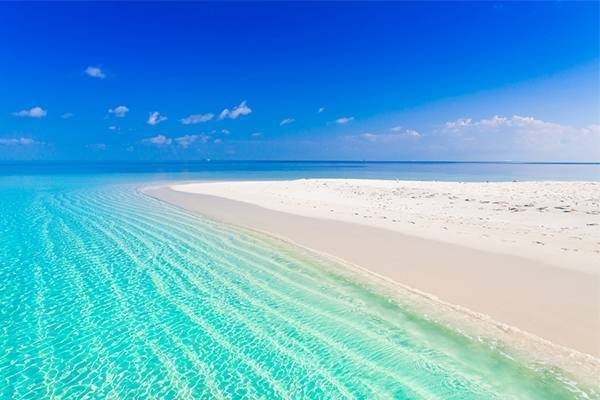
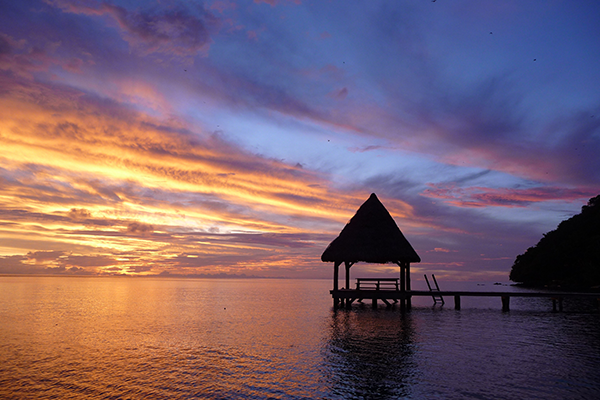
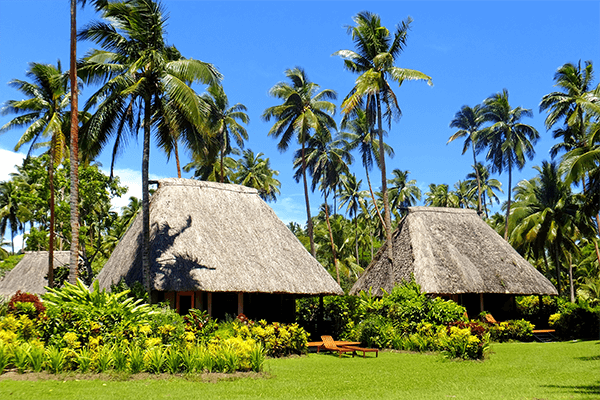
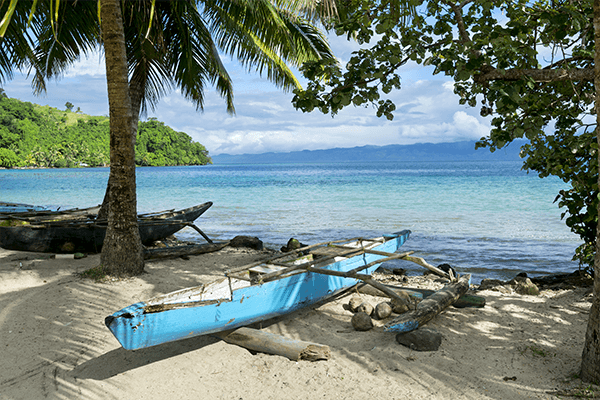
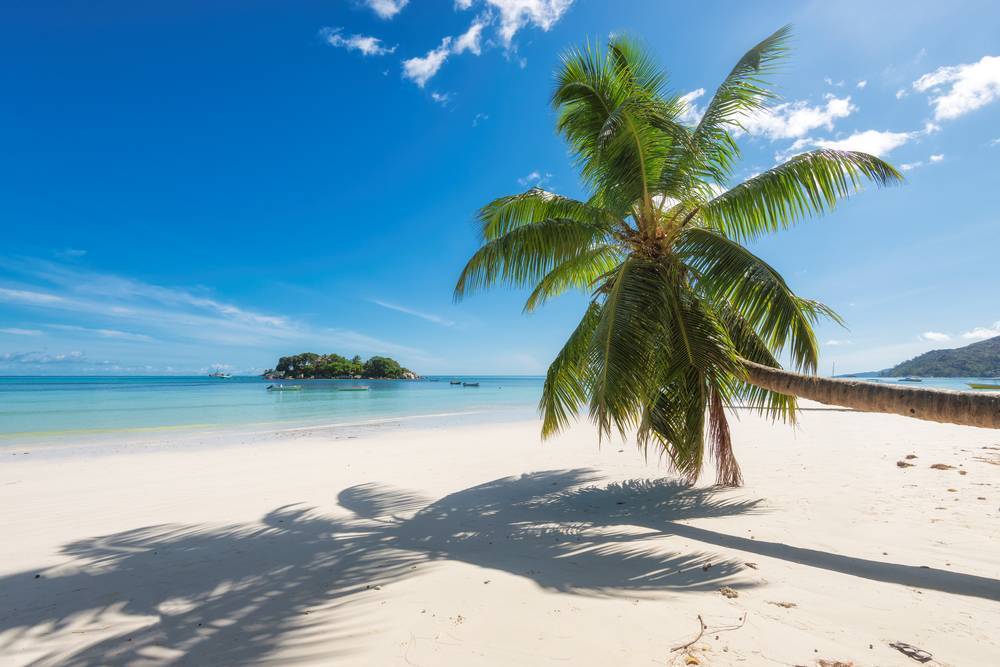
Fiji Travel Guide: Comprised of over 300 islands, Fiji is an island nation in the Pacific Ocean that is well known for its stunning beaches, warm climate and laid back atmosphere. With swaying palms, crystal clear water and friendly Fijian people the sheer natural beauty of Fiji is the experience of a lifetime.
Fiji-bookings.com provides ferry tickets and activities for travellers exploring the Mamanuca (Mah-mah-noo-tha) Islands, Yasawa (Yah-sah-wah) Islands, Nadi (Nandi), Denarau, Pacific Harbour, Coral Coast and beyond. From day trips hiking the mountains and nature on Viti Levu to island hopping that can last for several days throughout the stunning islands along Fiji's West Coast, there is plenty to do in Fiji.
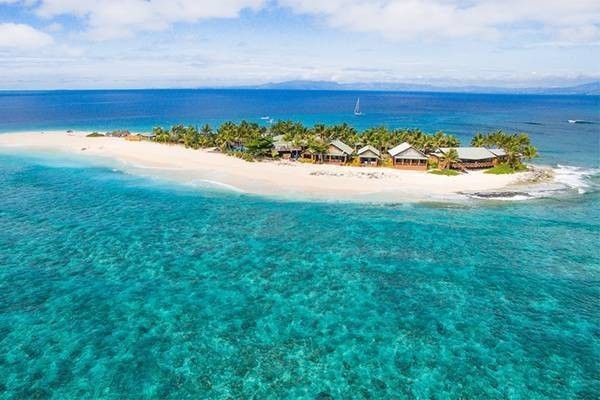
The Mamanuca and Yasawa Islands are a true bucketlist destination, especially if you are looking to spend some time on the best beaches in Fiji, doing water activities such as scuba diving, island day trips by boat or island hopping.
From Nadi you can explore Fiji's stunning nature through adventure, tours and daytrips or you can opt for a city trip or relax for a day at the spa. From Nadi you can do an 11 day tour (Feejee Five), or a single day tour through old villages and rugged nature, several seaplane tours, zip lining, and lots of other activities. Denarau is the main tourist area and harbour on the west coast of Fiji, with plenty of things to do for both business and leisure visitors. In Denarau playing golf is very popular and from the marina you can take a fishing trip, helicopter flight, or any of the packages going to either the Yasawa or Mamanuca islands from Fiji mainland.
Pacific Harbour and Beqa on Viti Levu are well known dive Mecca's, marine conservation areas around Kuata and Drawaqa islands in the Yasawas are also stunning for Dives and snorkeling. With soft coral dives, shark dives and many other water sports you will be sure to enjoy yourself in this Fijian paradise. Along the Coral Coast in Fiji you will be able to visit the outdoor Kula Wild Adventure Park where visitors are surrounded by Fijian flora and fauna.
Top 10 Things to Do in Fiji: The Bucket List
1. Can I dive with Bull Sharks without a license? Yes. Barefoot Kuata offers the Awakening Shark Dive. It is the only place in the world where you can dive with Bull Sharks without a scuba certification. You will have expert guides with you the whole time. It is safe, thrilling, and you do not need any prior experience.
2. When can I swim with Manta Rays? This is a must-do if you are here between May and October. The Manta Rays gather in the channels of the Yasawa Islands to feed. You can snorkel right next to them. They are huge, gentle giants. The best spot is usually the channel near Drawaqa Island.
3. Where are the famous "floating bars"? Fiji now has two amazing floating platforms in the Mamanucas (*Mah-mah-noo-thas*). Cloud 9 is the original party spot, famous for its wood-fired pizzas, DJs, and sundecks. The newer Seventh Heaven offers a slightly more relaxed vibe, amazing food, and a "leap of faith" jump from the top deck. Both sit right on the reef surrounded by turquoise water.
4. How do I experience the "Real" Fiji? Rent a 4WD and drive into the highlands of Viti Levu (the Nausori Highlands are great). Buy some Kava root (waka) and ask to present sevusevu (a gift) to a village chief. You might get invited to stay overnight. Also, try to attend a local church service on a Sunday, the singing is powerful, moving, and welcomes everyone.
5. Can I visit the island from the movie "Cast Away"? Yes. The movie was filmed on Monuriki Island. It is part of the Mamanuca group. You can take a day trip to walk on the same beach as Tom Hanks. The island is uninhabited and the snorkeling around the reef is excellent.
6. Where can I see Fire Walking? Fiji is famous for this. The warriors from Beqa (*Mben-gah*) Island are the legendary masters of walking on white-hot stones without getting burned. You can see this at cultural shows (like at the Arts Village in Pacific Harbour) or during "Island Nights" at many resorts, often accompanied by a traditional Lovo feast.
7. Where can I spend a day on a private island club? Malamala Beach Club is the world’s first island beach club. It is only a 25-minute boat ride from Port Denarau. They have an infinity pool, private cabanas, and cocktails delivered to your lounger. It is perfect if you want a luxury island experience without booking a hotel room.
8. What is the "Dirty" spa experience in Nadi? This is the Sabeto Hot Springs and Mud Pools. It is a very popular natural spa. First, you cover yourself in the therapeutic mud. Once it dries in the sun, you wash it off in the warm geothermal pools. It is a fun, messy cultural experience located just a short drive from Nadi.
9. Where are the best waterfalls? Head to Taveuni, known as the "Garden Island." The Bouma National Heritage Park has the famous Tavoro Waterfalls. There are three main waterfalls to hike to. The lower one is easy to reach and has a big swimming hole with cool, clear water.
10. What is the best way to see the rainforest? Try River Tubing or Rafting on the Navua River. You will float down the river past waterfalls and through deep rock canyons. It is a peaceful way to see the interior of the main island and wave to locals on the riverbanks
Where to go in Fiji
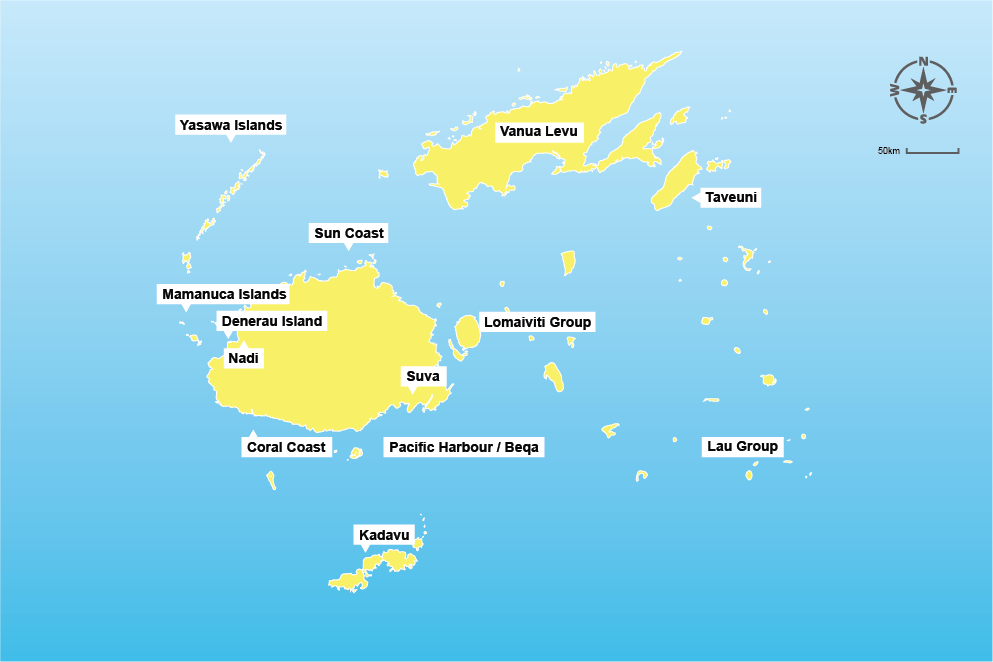
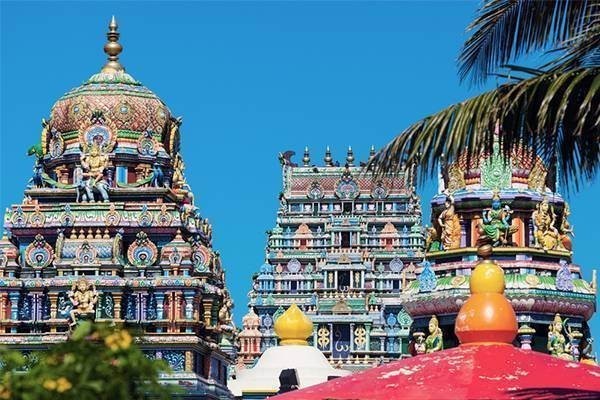
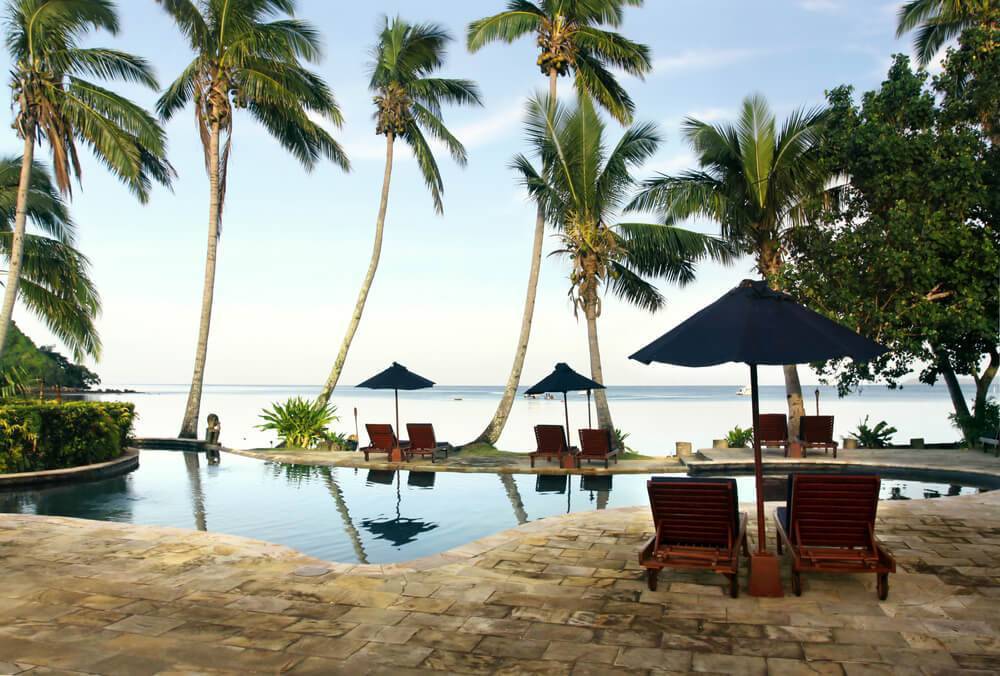
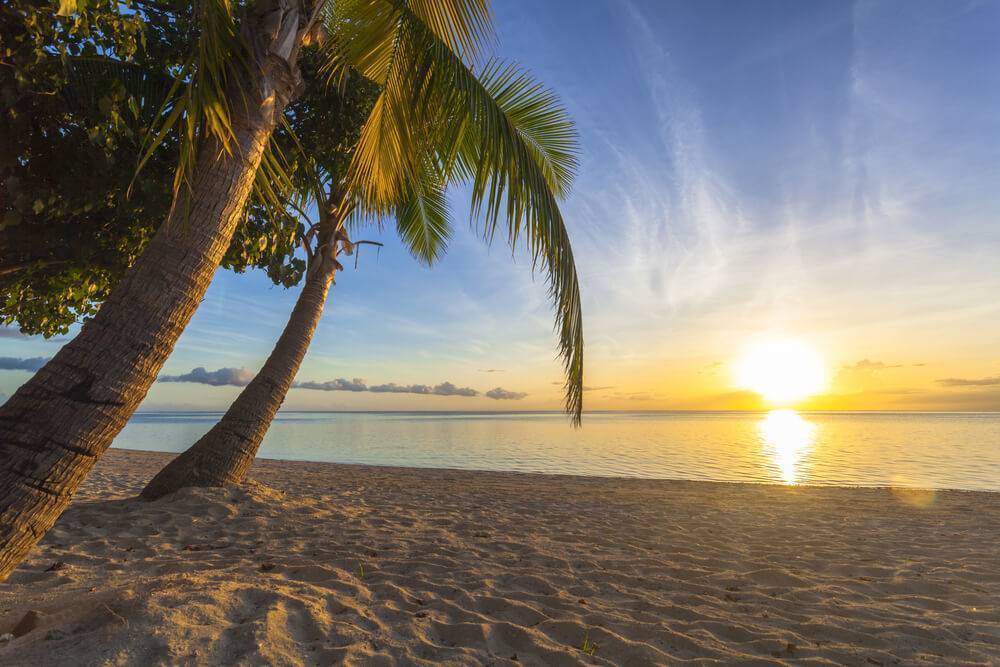
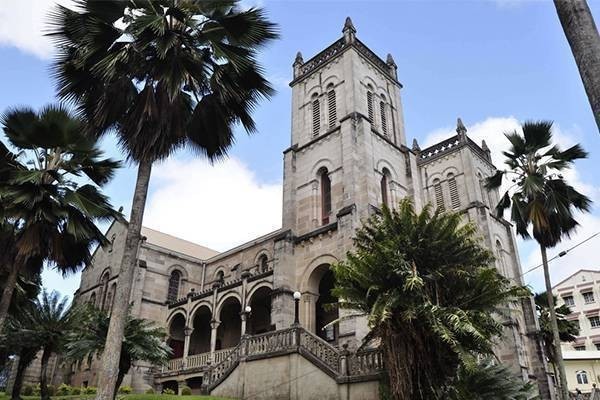
Fiji's beautiful coastlines full of cultural activities and stunning nature can be explored along the Sun Coast, Coral Coast and the Pacific Harbour/Beqa area on Viti Levu. The cities of Nadi, Suva and Denarau offer great culture and places to eat & drink. Beyond the main island, to the south and east, several stunning deserted island groups exist such as the Lau Group, Lomaiviti Group and Kadavu Group. Off-road and nature adventures are found to the northeast on Vanua Levu and Taveuni Island. For the best island hopping the Mamanuca and Yasawa Islands off the west coast boast some of the most fantastic surf and dive sites in the world. If you would like to find out more about each destination in Fiji, simply check out the specific Fiji guides below:
Travel Tips
Including some frequently asked questions and general info relating to traveling to Fiji and the surrounding islands. For more detailed info on specific islands within the Yasawa islands and Mamanuca islands please view their individual pages. If you need help or advice on how to book a fast ferry ticket or hotel, click here to visit our most common Frequently Asked Questions (F.A.Q)
Fijian Pronunciation Guide
The Fijian language has a simple, consistent, and phonetic alphabet. Knowing just a few rules can help you pronounce names like a local:
- 'd' is pronounced 'nd' (e.g., Nadi is *Nandi*)
- 'c' is pronounced 'th' (e.g., Mamanuca is *Mah-mah-noo-tha*)
- 'g' is pronounced 'ng' (e.g., Sigatoka is *Sing-ah-to-kah*)
- 'q' is pronounced 'ngg' (e.g., Drawaqa is *Drah-wanga*)
- 'b' is pronounced 'mb' (e.g., Beqa is *Mben-gah*)
Fijian Culture and Etiquette (Taboos)
- Dress Code: When visiting a local village, always dress conservatively. Women should cover their shoulders and wear a sulu (sarong) or long skirt. Men should wear a shirt. Swimsuits or revealing clothing should only be worn at the resort or on the beach.
- Head Respect: The head is considered sacred in Fijian culture. It is a strict taboo to touch a Fijian person's head, including children's hair, without permission.
- Kava and Sevusevu: If you are invited into a village, you must present a gift of Kava root (known as sevusevu) to the Chief or village elder. Accept the offer of kava, clap once before drinking and three times after drinking.
- Entering a Home: Always remove your shoes before entering a home or temple. It is considered disrespectful to wear a hat inside a traditional house.
- Loud Voices: Speaking loudly or shouting in a village is considered rude and aggressive. Maintain a respectful, low volume when interacting with locals.
Fiji Weather and Climate Guide
Fiji is perfect for beachside holidays because of its warm tropical climate with temperatures that stay between 31°C (88°F) to 26°C (79°F) all year round. From May until October the weather is quite dry because of the South-east trade winds and the rainy season is from November until April.
Health Precautions for Fiji Travel
Make sure you are up-to-date on routine vaccines before every trip. These vaccines include measles-mumps-rubella (MMR) vaccine, diphtheria-tetanus-pertussis vaccine, varicella (chickenpox) vaccine, polio vaccine, and your yearly flu shot. Some travelers also get vaccines for Hepatitis A and Typhoid.
Fiji Visa Requirements for Tourists
Visas are not required for many nationalities for visits of up to 4 months. However, you must have an onward or return ticket and a valid visa for the next country you are travelling to. If you are visiting Fiji on business, you will be granted a stay for 14 days on arrival.
Fiji Currency: Fijian Dollar
The local accepted currency is the Fijian dollar, which is usually hovers at around half the value of the US dollar in currency exchange.
Getting Around Fiji: Inter-Island Transport
Inter island transport is best done with the various fast boat and ferry services which can be booked using the search box on our homepage. Alternatively, local transfers are sometimes available depending on the island and times.
Fiji Voltage and Electrical Requirements
Electrical sockets (outlets) in the Republic of the Fiji Islands usually supply electricity at between 220 and 240 volts AC. Plugs are the same design as Australia. If you're plugging in an appliance that was built for 220-240 volt electrical input, or an appliance that is compatible with multiple voltages, then an adapter is all you need.
Fiji Time Zone (GMT/UTC)
Fiji is GMT/UTC + 12h during Standard Time Fiji is GMT/UTC + 13h during Daylight Saving Time.
Best Souvenirs and Things to Shop for in Fiji
If you are looking to buy souvenirs we recommend doing this on Fiji’s mainland as prices are lower. In addition, Kava (also called yaqona, or grog) is a non-alcoholic, non-narcotic beverage made from the ground root of the pepper plant is definitely something you must try when in Fiji. Far from being spicy, though, the drink actually numbs the lips and tongue slightly for a few moments. Not to worry, though, this effect is short-lived and subtle. Kava contains massive amounts of vitamin B, a natural muscle relaxant and antidepressant.
What Clothing to Bring to Fiji
In terms of clothing we suggest taking light cotton clothing, T-shirts, shorts and light dresses are best. Don’t forget your swimsuit!
Travel Insurance for Fiji
Travel insurance is strongly advised to cover unforseen incidents such as cancellations, lost or stolen goods, accidents, illnesses, etc.
Essential Items to bring to Fiji
- Sun & Bug Protection: Suntan lotion is quite expensive on Fiji and some of the sun protection products sold are not environmentally friendly (or reef friendly), so it is best to ensure that you bring enough lotion with a high SP. Bug spray could also be very handy to take between December and April because of the rainy season.
- First Aid & Medicine: Band-aids (waterproof), aspirins, and antibiotic cream could come in handy for little cuts and bruises caused by the coral or wilderness. Since it is not so easy and very expensive to get medicines in Fiji, it is recommended taking these yourself too, e.g., pills for an upset stomach or to avoid dehydration.
- Camera & Snorkel Gear: A camera (preferably one that can shoot underwater) is definitely something you should take to Fiji to ensure pictures of your best experiences and the beautiful underwater wildlife. If you have your own snorkel equipment we suggest taking it because some resorts charge for the use of equipment.